
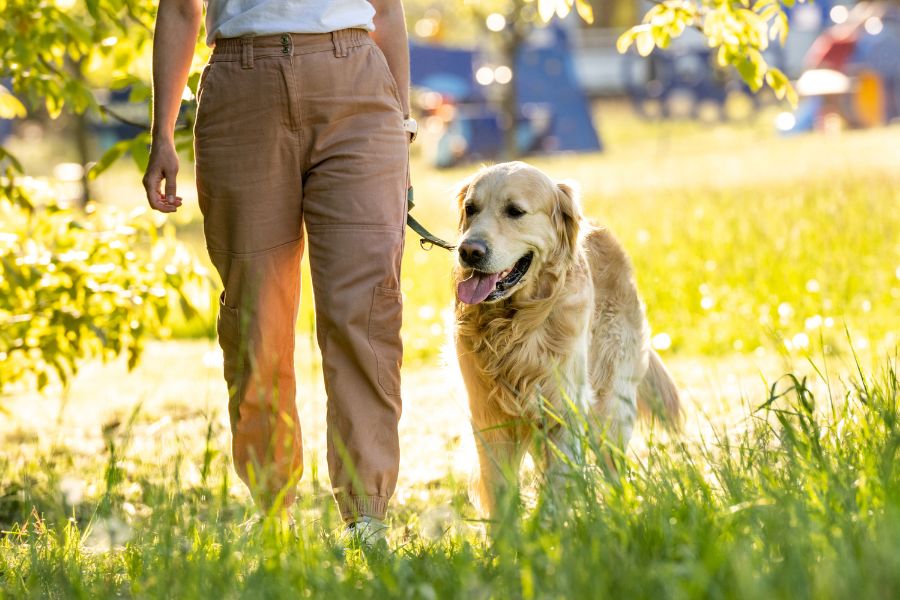
Summer in Concord brings plenty of opportunities for outdoor adventures with our canine companions, but rising temperatures also increase the risk of heat-related illnesses. Dogs rely primarily on panting to cool themselves, making them far more vulnerable to overheating than many pet parents realize. Even a routine walk can quickly become dangerous when temperatures climb.
Understanding summer heat safety for dogs is essential for preventing heat exhaustion and heatstroke. By recognizing risk factors, adjusting daily routines, and taking a proactive approach to warm-weather activities, pet parents can help keep their dogs safe and comfortable throughout the hottest months of the year.
At Vet Tech Pet Care, we understand that every dog has unique needs. Through personalized pet care visits, private dog walks, medication support, and vet tech-informed care, we help East Bay families safely navigate the challenges of summer weather.
Summer Heat Safety for Dogs Starts with Timing
One of the simplest and most effective ways to protect dogs during the summer is to choose when to go outdoors carefully.
Early morning and evening walks are typically much safer than midday outings. During these cooler periods, air temperatures are lower, sidewalks have cooled, and dogs can exercise more comfortably. In contrast, afternoon temperatures often create dangerous conditions that increase the risk of heat exhaustion.
Hot pavement is a significant concern during Concord summers. Asphalt and concrete absorb heat throughout the day and can become hot enough to burn sensitive paw pads. A good rule of thumb is the seven-second test. Place the back of your hand on the pavement for seven seconds. If it feels too hot for your hand, it is too hot for your dog.
Humidity also plays an important role in heat safety. Dogs cool themselves through panting, and high humidity makes this process less efficient. Even moderately warm temperatures can become dangerous when humidity levels rise.
Certain dogs face greater risks than others. Brachycephalic breeds, including Bulldogs, Pugs, and French Bulldogs, often struggle in hot weather because their shortened airways limit their ability to cool themselves effectively. Senior dogs, puppies, overweight pets, and dogs with heart disease, respiratory conditions, or other chronic illnesses may also overheat more quickly.
Adjusting schedules to avoid peak heat can significantly reduce the likelihood of heat-related illness.
Signs of Heat Exhaustion Pet Parents Should Know
Heat exhaustion can develop rapidly, sometimes within minutes. Recognizing early warning signs allows pet parents to intervene before the situation becomes life-threatening.
Heavy panting is often one of the first signs that a dog is overheating. While panting is normal after exercise, excessive or persistent panting should never be ignored, particularly when accompanied by other symptoms.
Excessive drooling, weakness, lethargy, and reluctance to continue walking may indicate that a dog’s body is struggling to regulate its temperature. Some dogs may appear restless or anxious, while others become unusually quiet or seek out cool surfaces to lie on.
As heat stress progresses, symptoms may become more severe. Vomiting, diarrhea, confusion, disorientation, stumbling, or an elevated heart rate can indicate significant overheating. Dogs experiencing heatstroke may collapse, have difficulty breathing, or become unresponsive.
Heatstroke is a medical emergency. If you suspect your dog is suffering from heatstroke, move them to a cool area immediately and contact your veterinarian or an emergency veterinary hospital. Early treatment dramatically improves outcomes.
According to the American Animal Hospital Association, heatstroke in dogs carries an estimated mortality rate of approximately 50 percent, highlighting why recognizing the early signs of heat exhaustion and seeking prompt veterinary care can be lifesaving.
How to Prevent Overheating on Warm Days
Fortunately, preventing overheating is often straightforward when pet parents take a proactive approach.
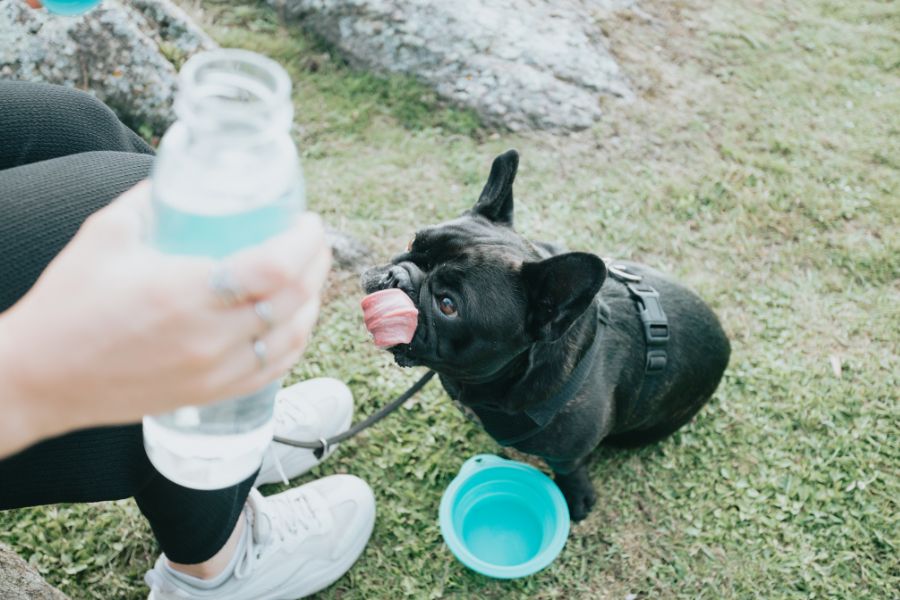
Fresh, clean water should always be available, both indoors and outdoors. During walks, hikes, or other activities, carrying water and taking frequent drink breaks help maintain hydration.
Providing shade and regular indoor breaks is equally important. Dogs should never remain outdoors for extended periods during extreme heat. Air-conditioned indoor spaces offer the safest environment when temperatures become excessive.
Avoiding peak afternoon heat is another key strategy. If temperatures are high, consider shortening outdoor activities and increasing indoor enrichment instead. Puzzle toys, training games, scent work, and short play sessions can provide valuable mental stimulation without exposing dogs to dangerous conditions.
Keeping walks shorter during heat waves can also help reduce risk. Some dogs may benefit from multiple brief outings rather than one extended walk.
Pet parents should never leave pets unattended in parked vehicles. According to the ASPCA, temperatures inside vehicles can rise rapidly, even when windows are cracked. On a warm day, the interior temperature of a car can become life-threatening in a matter of minutes.
Before every walk, checking pavement temperature remains an important habit. Burn injuries to paw pads are painful and entirely preventable with proper precautions.
How Private Dog Walks Can Be Adjusted in Summer
Summer weather does not mean dogs should stop receiving exercise altogether. Instead, exercise routines often need to be modified to prioritize safety.
At Vet Tech Pet Care, our private dog walks are tailored to each dog’s needs, considering age, breed, energy level, medical history, weather conditions, and overall health.
One-on-one walks offer significant advantages in warm weather because they allow our team to adjust the pace, route, and duration based on the dog’s comfort level. Rather than following a rigid group schedule, we can shorten walks, increase shade breaks, or focus on enrichment activities when temperatures rise.
For some dogs, especially seniors or pets with medical concerns, a brief potty break combined with indoor play and mental stimulation may be more appropriate than a lengthy outdoor excursion.
Mental enrichment is an important part of overall wellness and can often tire dogs just as effectively as physical exercise. Sniffing activities, training reinforcement, and interactive games provide valuable stimulation while minimizing heat exposure.
Our experienced team continually monitors pets for subtle signs of discomfort or overheating, ensuring that each visit prioritizes health and safety. Vet Tech Pet Care proudly supports pet parents throughout the East Bay with personalized in-home services designed to keep pets safe, healthy, and comfortable.
Keep Your Dog Safe All Summer Long
Summer can be an enjoyable season for dogs and their families when safety remains the top priority. By scheduling activities during cooler hours, recognizing the signs of heat exhaustion, providing plenty of water and shade, and adjusting exercise routines as needed, pet parents can significantly reduce the risk of heat-related illness.
If you need extra support this summer, Vet Tech Pet Care is here to help. Our private dog walks, personalized pet care visits, medication administration services, and compassionate, vet tech-informed approach ensure your dog stays safe, healthy, and comfortable all season long.
Voice Search FAQs
How hot is too hot to walk my dog?
Many veterinarians recommend exercising caution once temperatures reach 85°F, particularly for senior dogs, brachycephalic breeds, puppies, and pets with health conditions. Factors such as humidity, pavement temperature, and individual health status should also be considered.
What are the signs of heat exhaustion in dogs?
Common signs of heat exhaustion in dogs include heavy panting, excessive drooling, weakness, vomiting, confusion, rapid heart rate, difficulty breathing, and collapse. Any dog showing these symptoms should be evaluated by a veterinarian immediately.
Should I schedule shorter dog walks in summer?
Yes. During hot weather, shorter walks in the cooler morning or evening hours are often safer than long outings in the middle of the day. Many dogs also benefit from additional indoor enrichment and rest breaks during summer.