Spring in the East Bay brings longer days, blooming landscapes, and more time outdoors with our canine companions and feline friends. But as temperatures rise, so does parasite activity. Fleas and ticks become increasingly active in California’s mild climate, making flea and tick prevention for East Bay pet parents a top priority this season.
At Vet Tech Pet Care, we believe prevention is always easier and safer than treatment. Understanding why spring brings a surge in parasites and how to protect your pet can help you avoid discomfort, costly veterinary visits, and potential exposure to disease.
Why Spring Brings a Surge in Fleas & Ticks
Warmer weather creates ideal conditions for parasites to reproduce and spread. Unlike colder regions that experience a hard winter freeze, the East Bay’s moderate climate allows fleas and ticks to remain active for much of the year.
California Climate and Parasite Activity
Fleas thrive in warm, humid environments. The Centers for Disease Control and Prevention notes that Vector-Borne Diseases increase when temperatures rise, and humidity supports egg development. In areas like Contra Costa County, where spring temperatures climb steadily, flea life cycles accelerate.
Even pets who spend limited time outdoors can be exposed. Fleas can hitch a ride inside on clothing, shoes, or other animals. Once inside, they reproduce quickly in carpets, bedding, and resting areas.
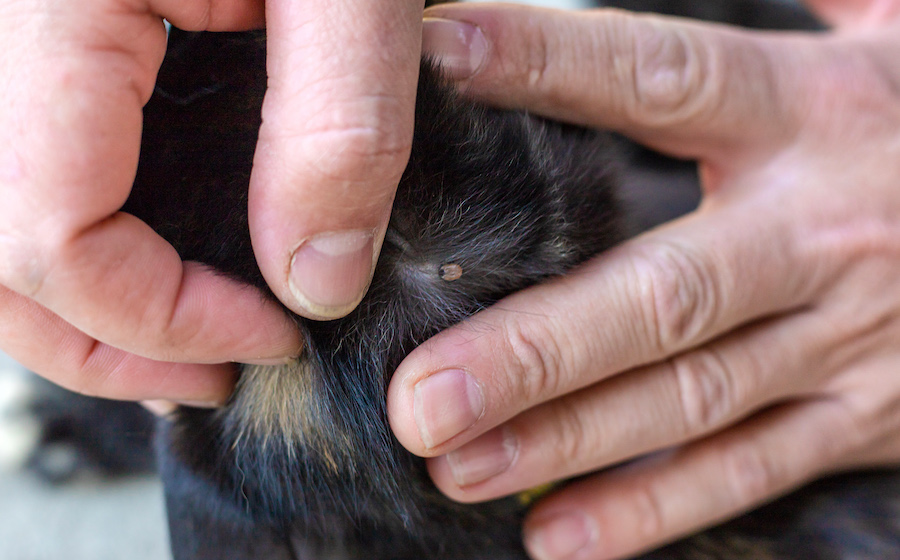
Ticks are also active in California, particularly during spring and early summer. The California Department of Public Health reports that several tick species are present throughout the state, including the Western blacklegged tick, which can transmit diseases. Ticks are commonly found in grassy areas, hiking trails, wooded spaces, and even neighborhood parks.
With so many East Bay families enjoying outdoor activities in spring, exposure to parasites becomes much more likely.
Health Risks of Fleas and Ticks
Fleas and ticks are more than minor annoyances. They can contribute to serious health concerns if prevention is inconsistent.
Flea-Related Risks
One of the most common flea-related conditions is flea allergy dermatitis. Some pets are highly sensitive to flea saliva, meaning even a single bite can cause intense itching, redness, hair loss, and skin irritation. Persistent scratching may lead to secondary infections that require medical treatment.
Fleas can also transmit tapeworms. The Centers for Disease Control and Prevention explains that pets can become infected with Dipylidium caninum, a common tapeworm, by ingesting an infected flea during grooming. While treatable, tapeworm infections are unpleasant and entirely preventable with consistent flea control.
Left unmanaged, heavy flea infestations can even lead to anemia, particularly in puppies, kittens, or senior pets.
Tick-Borne Diseases in California
Ticks present additional concerns because they can transmit pathogens through their bite. The Centers for Disease Control and Prevention identifies Lyme disease and anaplasmosis as tick-borne illnesses that can affect dogs in certain regions.
Symptoms may include lethargy, joint pain, fever, and decreased appetite. Because these signs can be subtle, early detection and prevention are critical. Removing ticks promptly and maintaining veterinarian-recommended preventatives significantly reduces risk.
In a region like the East Bay, where pets often accompany their families on hikes and other outdoor adventures, proactive protection is essential.
Prevention Options Recommended by Veterinarians
Preventative care remains the most effective way to protect pets from flea and tick exposure. Because California’s climate remains relatively mild throughout the year, veterinarians often recommend maintaining flea and tick prevention year-round rather than stopping during cooler months. Even brief warm periods can keep parasites active. Consistent, uninterrupted prevention helps break the parasite life cycle and reduces the risk of reinfestation inside the home.
Monthly Topicals & Oral Preventatives
Veterinarians commonly recommend monthly topical treatments or oral medications that kill fleas and ticks before they can reproduce. The U.S. Food and Drug Administration provides guidance on flea and tick products for pets, emphasizing the importance of using products approved for your pet’s species, age, and weight.
Choosing the correct product and administering it consistently is essential. Skipping doses, delaying application, or using products not intended for your pet can reduce effectiveness and increase risk.
If your pet requires assistance with medication, our team at Vet Tech Pet Care is experienced in safely administering medications during our in-home visits.
Environmental Measures
Prevention extends beyond medication. Maintaining a clean home environment plays a supporting role in parasite control.
Regular vacuuming, washing pet bedding, and keeping yards trimmed can help reduce flea habitats. In our February sanitation blog, we discussed how consistent bedding cleaning interrupts parasite life cycles. Environmental hygiene and preventative medications work together to create a comprehensive protection plan.
For East Bay homes with small yards, shared outdoor spaces, or multi-pet households, environmental awareness is especially important.
How VTPC Helps Support a Parasite-Free Home
Professional pet care adds an extra layer of monitoring and support during peak parasite season.
During pet sitting visits, our team remains alert for signs of fleas or ticks, including excessive scratching, skin irritation, or visible parasites. Early detection allows pet parents to respond quickly and consult their veterinarian if needed.
We also provide:
- Safe medication administration for pets requiring preventative treatments
• Assistance with maintaining clean resting spaces
• Support for senior pets who may be more vulnerable to parasite-related complications
• Transportation to veterinary appointments through our Pet Taxi Service
You can explore our full range of services on our Rates and Services page. If you have questions about your pet’s spring care routine, we encourage you to contact our team directly.
As trusted pet sitters near Walnut Creek and a professional pet care provider that Concord, CA families rely on, we understand how seasonal changes impact your pets.
Spring Prevention Starts Now!
Spring is a beautiful season in the East Bay, but it also marks a period of increased parasite activity. Consistent flea and tick prevention protects your pet from irritation, allergic reactions, and preventable disease.
By combining veterinarian-recommended medications, environmental hygiene, and attentive in-home monitoring, pet parents can reduce risk and support long-term wellness.
If your pet needs help staying on track with their preventative care this spring, we invite you to schedule a visit with Vet Tech Pet Care. Our experienced team is here to provide compassionate, reliable support.
We are always looking for qualified animal lovers with medical handling experience to join our growing East Bay team. If you have a background in veterinary care or are passionate about professional in-home pet care, we encourage you to apply and join a team dedicated to excellence.
Spring adventures should be joyful and worry-free. With proactive care and the right support, they can be.