
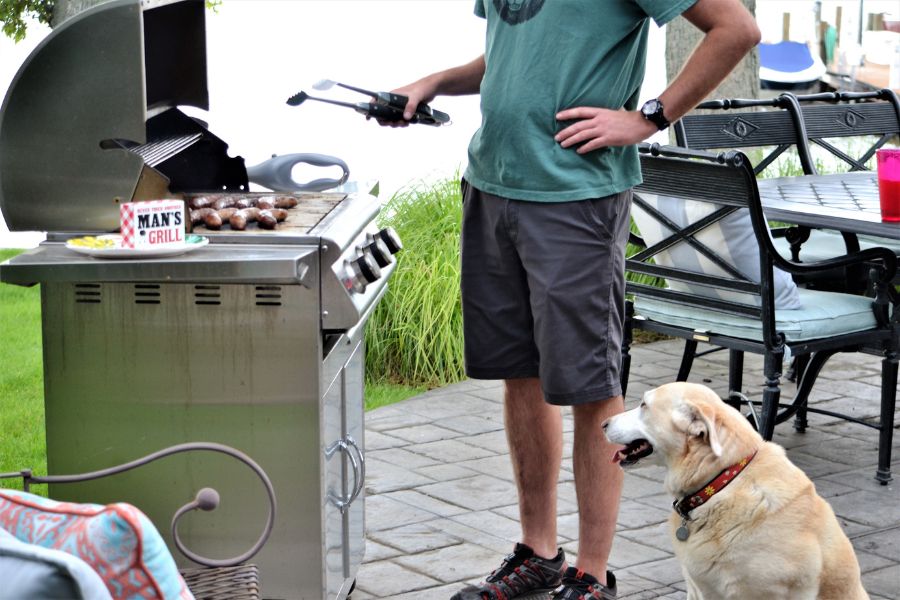
Warm weather holiday pet safety should be a priority for every pet parent in Concord. Memorial Day, the Fourth of July, and Labor Day are wonderful opportunities to gather with family and friends, enjoy outdoor meals, and celebrate the season. Unfortunately, these same holidays can present unexpected risks for pets. From tempting BBQ foods and crowded picnics to loud fireworks and increased foot traffic, holiday festivities can quickly become stressful or even dangerous for dogs and cats.
At Vet Tech Pet Care, we help East Bay pet parents keep their pets safe and comfortable during busy holiday weekends through professional pet care visits, private dog walks, medication support, and vet tech-informed guidance. A little preparation goes a long way toward making holiday celebrations enjoyable for every member of the family, including the four-legged ones.
Warm Weather Holiday Pet Safety Starts Before Guests Arrive
Many pet parents focus on holiday safety once the celebration begins, but the best protection starts well before guests arrive.
Major warm-weather holidays often create significant changes to a pet’s normal routine. Extra visitors, unfamiliar children, outdoor cooking, open doors, loud conversations, and extended periods of activity can create anxiety for even the most social pets. Dogs and cats thrive on predictability, and sudden disruptions may cause stress-related behaviors.
Open doors are one of the biggest concerns during holiday gatherings. Guests may not realize that a pet is nearby when entering or leaving the home. A startled dog can bolt through an open doorway, while an indoor cat may take advantage of the increased activity to explore outdoors.
Heat is another important consideration. Concord summers can be warm, and holiday celebrations often involve extended periods outside. Pets can become overheated much faster than people, especially brachycephalic breeds, senior pets, puppies, and those with medical conditions.
Fireworks create an additional challenge during Memorial Day events, Fourth of July celebrations, and some Labor Day gatherings. Many pets experience fear and anxiety when exposed to loud noises, flashing lights, and unexpected sounds.
Planning ahead helps reduce these risks and creates a safer environment for everyone.
BBQ and Picnic Foods Pets Should Avoid
One of the most common holiday emergencies involves food.
Many traditional BBQ and picnic favorites contain ingredients that are unsafe for pets. While it may be tempting for guests to share snacks under the table, even small amounts of certain foods can cause digestive upset or more serious health concerns.
Foods that should always be kept away from pets include onions, garlic, grapes, raisins, chocolate, and alcohol. These foods have the potential to cause toxicity in dogs and cats and should never be offered intentionally.
Cooked bones can also be dangerous. While many people assume bones are a natural treat for dogs, cooked bones can splinter, creating choking hazards or internal injuries. Corn cobs present similar risks because they can become lodged in the digestive tract if swallowed.
Fatty meats such as ribs, burgers, sausage, and heavily seasoned chicken can trigger stomach upset and, in some cases, pancreatitis. Wooden skewers used for kabobs create another hazard if chewed or swallowed.
Holiday trash deserves special attention as well. Discarded plates, cups, napkins, and food scraps often contain irresistible smells that attract curious pets. Keeping trash secured and out of reach helps prevent accidental ingestion of dangerous items.
Pet-Friendly Foods You Can Offer Instead
The good news is that pets do not need to feel left out during holiday celebrations.
If you would like to offer your dog a special treat while the family enjoys a BBQ or picnic, there are several safer options to consider.
Small portions of plain cooked chicken or turkey can be an excellent choice. Fresh vegetables such as carrots, green beans, and cucumber slices are also popular with many dogs. Some pets enjoy small amounts of blueberries or seedless watermelon without the rind.
Moderation remains important. Treats should make up only a small portion of your pet’s overall diet. Even healthy foods can cause digestive upset if offered in excessive quantities.
If your pet has diabetes, food allergies, gastrointestinal sensitivities, kidney disease, or other medical conditions, it is always best to consult your veterinarian before introducing new foods.
Providing safe alternatives helps pets participate in the festivities without exposing them to unnecessary risks.
Fireworks Pet Safety Tips
Fireworks are one of the biggest holiday stressors for pets. The ASPCA notes that loud fireworks can trigger fear, anxiety, and panic responses in both dogs and cats, sometimes causing pets to hide, attempt to escape, or behave in ways that are out of character. Even pets that are typically calm and confident may react unpredictably when fireworks begin, which is why taking preventative steps before celebrations start is so important.
One of the best ways to protect your pet is to keep them indoors during fireworks displays. Choose a quiet room away from windows and create a comfortable space with familiar bedding, favorite toys, and access to fresh water.
Updating identification tags and verifying that microchip information is current provides additional protection should a pet become frightened and escape.
Dogs should be walked earlier in the day, before fireworks begin. This allows them to exercise and use the bathroom before evening celebrations start.
Many pets benefit from calming strategies such as soft music, white noise machines, or closing blinds and curtains to reduce visual stimulation. Some pets with severe anxiety may benefit from veterinarian-approved calming supplements or medications.
Every pet responds differently, so it is helpful to identify what works best before a major holiday arrives.
When a Pet Care Visit Helps During Holiday Plans
Holiday weekends often involve travel, family gatherings, community events, and long days away from home.
A professional pet care visit can provide valuable peace of mind during these busy periods. While families attend celebrations, a scheduled visit ensures that pets receive food, fresh water, potty breaks, medication support, and personal attention.
For pets that become anxious during holiday activity, a calm check-in from a trusted professional can help maintain normal routines and reduce stress.
At Vet Tech Pet Care, our experienced team provides in-home pet care designed around each pet’s individual needs. Contact our team; whether your pet requires medication administration, a midday potty break, a private dog walk, or simply a reassuring visit while the house is busy, we are here to help.
Make Holiday Safety Part of Your Celebration
Warm weather holiday pet safety is about more than preventing emergencies. It is about creating an environment where pets can remain comfortable, secure, and happy while families enjoy seasonal celebrations.
Whether you are planning a Memorial Day cookout, a Fourth of July gathering, or a Labor Day picnic, taking a few extra precautions can make a significant difference. If you need support during the holiday season, Vet Tech Pet Care offers professional pet care visits, private dog walks, medication assistance, and compassionate care tailored to your pet’s needs.
Contact our team today to schedule holiday visits and help your pets enjoy a safe and stress-free season.
Voice Search FAQs
What BBQ foods are dangerous for dogs?
Dogs should avoid onions, garlic, grapes, raisins, chocolate, alcohol, cooked bones, corn cobs, fatty meats, and foods containing excessive seasoning. These items can cause digestive upset, toxicity, choking hazards, or other serious health problems.
How do I keep my dog calm during fireworks?
Keeping your dog indoors in a quiet room, walking them earlier in the day, providing familiar bedding, using calming music or white noise, and discussing anxiety support options with your veterinarian can help reduce stress during fireworks displays.
What picnic foods are safe for pets?
Small amounts of plain cooked chicken, plain turkey, carrots, green beans, cucumber slices, blueberries, and seedless watermelon can be safe treats for many pets. Always offer treats in moderation and consult your veterinarian if your pet has health concerns.