Cleaning pet food and water bowls is a great first step, but it is only part of the bigger sanitation picture. Pet bedding, resting areas, litter boxes, and potty zones all play a major role in your pet’s daily health and comfort.
When these spaces are not cleaned regularly, bacteria, allergens, and parasites can quietly build up, posing health risks to pets and causing frustration for pet parents.
In Part 2 of our sanitation series, we share practical, science-backed guidance for keeping pet bedding and resting areas clean, as well as litter boxes and bathroom areas.
We also include a quick recap of bowl hygiene (continuing from Part 1), including what common color changes in bowls can mean and why water fountains need consistent maintenance.
Bowl Hygiene, Warning Colors, and Water Fountains
Some of the biggest sanitation red flags show up in your pet’s food and water dishes. If you notice a pink film, green buildup, or a yellowish tint inside bowls or cups, treat it as a sign that biofilm is building up.
Biofilm is a sticky layer of microorganisms that clings to surfaces and becomes harder to remove the longer it sits. Yuk!
Pink residue is often associated with Serratia marcescens, a bacterium that can grow in moist environments and form a pink film. Green buildup can be algae or other organisms that thrive in standing water. Yellowish staining can come from residue, minerals, or early biofilm.
Regardless of the exact cause, any discoloration indicates it is time to scrub, sanitize, and replace items that are scratched or cannot be fully cleaned.
If you use a water fountain or gravity feeder, it needs more than a quick rinse. Take it apart, scrub all crevices, and replace the filters according to the manufacturer’s recommended schedule.
Fountain parts and filters can trap slime and debris, which is one reason many pet pros prefer simple, easy-to-sanitize bowls over fountains.
Best and worst choices for pet water containers
- Best: Stainless steel and high-quality ceramic bowls. These materials are easier to sanitize and less likely to develop deep scratches that trap bacteria.
- Use with caution: Glass and silicone. They can be safe, but they must be inspected often for chips, cracks, or cloudy residue.
- Worst: Scratched plastic bowls and any bowl with pits, cracks, or rough surfaces. Tiny grooves can hold bacteria even after washing.
Why Bedding and Rest Areas Need Regular Cleaning
Your pet spends a surprising amount of time resting, sleeping, and lounging. That makes bedding and rest areas some of the most heavily used surfaces in your home.
Over time, these spaces collect hair, skin cells, moisture, drool, and outdoor debris that can affect both pet and human health.
Germs, allergens, and odors
Pet bedding can act like a sponge for allergens. As pets shed fur and dander, microscopic particles become trapped in blankets, beds, and soft furniture.
Dust mites also thrive in soft furnishings and bedding, contributing to indoor allergens that may trigger respiratory issues for people and pets.
Moisture from saliva, drool, or accidents can allow bacteria and mold to grow, leading to lingering odors that are difficult to eliminate without proper washing.
For pets with allergies, asthma, or sensitive skin, dirty bedding can worsen symptoms. Regular cleaning helps reduce allergen exposure and creates a more comfortable resting space, especially for senior pets who spend more time sleeping.
Parasite risks
Fleas and flea eggs do not only live on pets. They can fall into the surrounding environment, including bedding, rugs, and resting areas. If bedding is not washed frequently, fleas can reinfest pets even after treatment.
Consistent laundering of bedding is one of the simplest ways to support parasite prevention, especially in multi-pet households or homes where pets go outdoors daily.
Litter Boxes and Bathroom Zones
Bathroom spaces deserve just as much attention as bedding. Cats, in particular, are sensitive to litter box cleanliness. An unclean litter box can contribute to stress and house soiling, and it can also hide early clues of urinary or digestive issues.
Dogs using potty pads or designated outdoor areas can also be exposed to bacteria if waste is not removed and surfaces are not sanitized properly.
Clean bathroom zones help protect your pet’s health while also keeping your home smelling fresh and hygienic.
How often to clean bedding, litter boxes, and potty areas
Every household is different, but these general guidelines help most homes stay on track:
- Bedding: Wash at least weekly in warm water, using the warmest water the fabric allows. Wash more often for heavy shedders, pets with allergies, puppies, seniors, or pets with accidents.
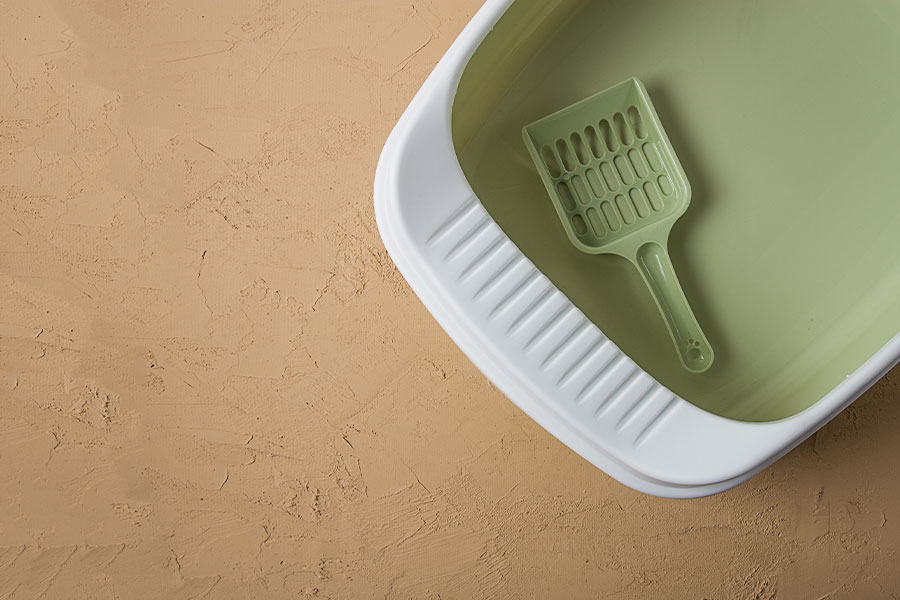
- Litter boxes: Scoop daily. Deep clean the box every 1 to 2 weeks, or more often in multi-cat households.
- Potty pads: Change as soon as they are soiled. Wipe the surrounding area with a pet-safe disinfectant.
- Outdoor potty zones: Remove solid waste daily. Rinse periodically to reduce odor and bacterial buildup, especially in small yards or shared spaces.
Recommended cleaning techniques that actually work
Bedding
Wash in hot or warm water when the fabric allows. Use a dye-free, fragrance-free detergent whenever possible, especially for pets with sensitive skin. Avoid fabric softeners, which can leave residue that irritates skin or traps odors.
Dry bedding thoroughly. Damp bedding can encourage mold growth and unpleasant smells. The CDC notes that using a dryer on the highest heat setting for 30 minutes can help disinfect laundered items.
Litter boxes
For routine cleaning, use hot water and avoid strong-smelling chemicals. Highly scented cleaners and litters can deter cats from using the box. Rinse thoroughly and allow the box to dry before adding fresh litter.
Wearing gloves during cleaning helps protect you from bacteria and makes the task more hygienic.
Potty pads and outdoor spots
Dispose of soiled pads promptly and clean the surrounding floor area. For outdoor zones, consistent waste pickup is the most important step.
Periodic rinsing with water can help, and pet-safe sanitizing products may be useful for patios or small, enclosed potty areas.
When to replace, not just clean
- Replace items when they cannot be fully sanitized.
- Replace bedding if it remains smelly after washing, shows moldy spots, or breaks down and traps debris.
- Replace litter boxes if the plastic is deeply scratched or holding odor even after a deep clean.
- Replace bowls and fountains if surfaces are scratched, cloudy, or stained, or if parts cannot be fully disassembled and scrubbed.
How Vet Tech Pet Care Supports a Clean, Comfortable Home Routine
Busy schedules, travel, and health limitations can make consistent sanitation hard to maintain. Vet Tech Pet Care supports cleanliness as part of our overall commitment to your pet’s health and comfort.
During cat visits, our sitters scoop litter boxes and handle basic upkeep, so your cat always has a clean bathroom. During pet sitting visits, we refresh water, keep feeding areas tidy, and alert you if bedding or potty areas need attention.
For senior pets or pets with medical needs, we provide compassionate cleanup support that helps maintain dignity and comfort.
Clients can learn more about what to expect during visits on our For Our Clients page. Animal lovers interested in providing this level of care can explore opportunities on our Become a Pet Sitter page.
Keeping Your Pet’s Home Environment Healthier Starts With Consistent Care
Clean bedding, rest areas, and bathroom spaces are essential parts of a healthy home environment. Regular sanitation helps reduce allergens, control parasites, and support your pet’s physical and emotional well-being.
Small, consistent habits make a big difference, especially for senior pets, cats, and multi-pet households.
If you live in Contra Costa County and want reliable in-home support, we invite you to explore our professional pet sitting and dog walking services.
To request dates, schedule a meet-and-greet, or ask questions about your pet’s routine, contact Vet Tech Pet Care today!