In homes across Contra Costa County, keeping your pet happy and healthy goes far beyond choosing quality food. One of the most overlooked aspects of daily pet care is something simple, yet incredibly important: cleaning pet food and water bowls.
Many well-meaning pet parents assume that a quick rinse is enough, but science tells a very different story. In fact, unwashed bowls can quickly become a breeding ground for harmful bacteria that affect both pets and people.
At Vet Tech Pet Care, we believe education is a powerful form of prevention. For East Bay pet parents, understanding proper bowl sanitation is an easy way to reduce the risk of illness and support your pet’s overall well-being.
Why Pet Bowl Hygiene Is More Important for Your Pet’s Health
Food and water bowls are used multiple times a day, often left out continuously, and regularly exposed to saliva, food residue, dust, and environmental contaminants. Without consistent cleaning, these everyday items can quietly undermine your pet’s health.
How Bacteria Grows on Bowls
According to the U.S. Food and Drug Administration, pet food bowls are among the most common household hotspots for germs when not cleaned properly. The FDA found that bacteria can multiply rapidly on bowls that are rinsed or wiped down instead of thoroughly washed.
When moist food residue sits at room temperature, it creates the perfect environment for bacterial growth. Pathogens such as Salmonella, Listeria, and E. coli can survive on bowl surfaces and transfer easily to your pet’s mouth or paws. The Centers for Disease Control and Prevention notes that improper handling of pet food and dishes increases the risk of exposure to these bacteria for both animals and humans.
This risk becomes even more significant in multi-pet households or homes with children, seniors, or immunocompromised family members.
Health Risks to Dogs and Cats
The American Veterinary Medical Association reports that contaminated food and water bowls are associated with gastrointestinal illnesses in pets. These can include vomiting, diarrhea, changes in appetite, and dehydration. In more severe cases, pets may develop bacterial infections that require veterinary treatment.
Cats and senior pets can be particularly vulnerable due to more sensitive digestive systems or weakened immune responses. What starts as a mildly dirty bowl can quickly contribute to discomfort, illness, and avoidable vet visits.
How Often Should You Clean Pet Food and Water Bowls?
Many pet parents are surprised to learn that weekly cleaning is not enough. The FDA recommends washing food bowls after every meal and cleaning water bowls at least once per day.
For pets who eat wet food, raw diets, or prescription meals, strict daily cleaning is especially important. Water bowls should also be refreshed regularly throughout the day to prevent the buildup of saliva and airborne contaminants.
In busy East Bay households, it can be easy to lose track of these routines, which is why professional pet care support can make a meaningful difference.
Recommended Cleaning Methods
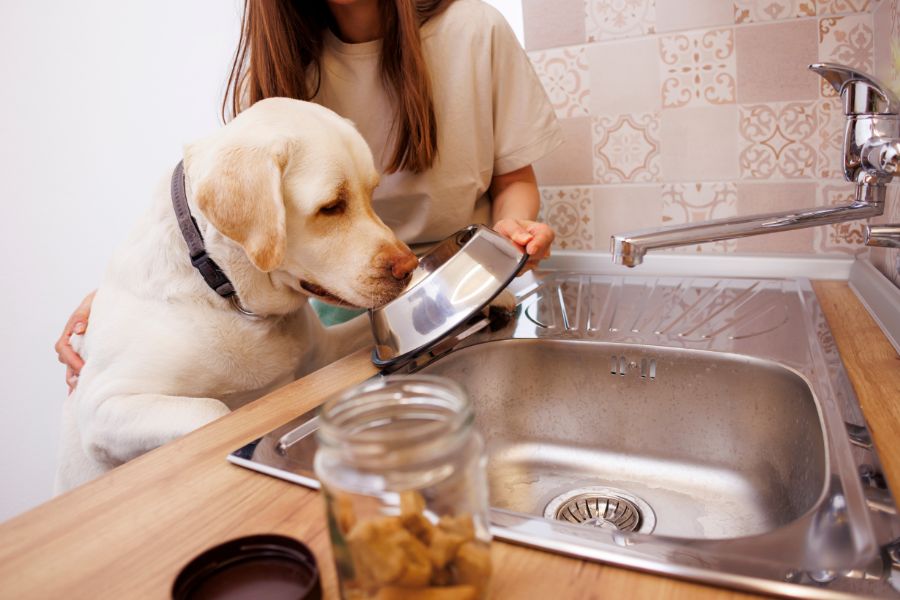
The most effective way to clean pet bowls is with hot, soapy water after each use. Using a dedicated sponge or brush helps prevent cross-contamination with human dishes. Bowls should be rinsed thoroughly and dried completely before reuse.
Dishwashers can also be a safe option if the bowl is dishwasher-safe and washed on a hot cycle. High temperatures help eliminate bacteria that hand-washing may miss.
It is important to avoid washing pet bowls in the same sink used for preparing human food unless the sink is disinfected afterward. Keeping sanitation tools separate adds another layer of protection for your household.
Signs It’s Time to Replace Old Bowls
Even with proper cleaning, pet bowls do not last forever. Over time, wear and tear can create hidden risks.
Scratched plastic bowls are a common concern. Tiny grooves can trap bacteria that are difficult to remove, even with thorough washing. If a plastic bowl looks cloudy, rough, or visibly damaged, replacement is recommended.
Biofilm buildup is another issue pet parents may not notice right away. Biofilms are thin layers of bacteria that adhere to surfaces and resist normal cleaning methods.
Cornell University College of Veterinary Medicine explains that biofilms can contribute to recurring dental infections and illness in pets when they persist on feeding dishes.
Stainless steel and ceramic bowls tend to be more resistant to scratching and biofilm formation, making them a safer long-term option when properly maintained.
How VTPC Helps Keep Pets Healthy During Visits
For pet parents balancing work, family, and daily responsibilities, maintaining consistent sanitation routines can be challenging. This is where professional pet care plays a vital role.
During dog walks, cat visits, and in-home pet sitting, our team refreshes clean water bowls and ensures pets have access to safe, sanitary drinking water. Food is handled carefully to avoid contamination, and feeding areas are kept tidy and hygienic.
Our sitters are experienced in safe food-handling practices and understand how small details, such as bowl cleanliness, contribute to overall pet health. For pets with medical needs or sensitive stomachs, these routines are especially important.
If you would like to learn more about our approach to professional in-home care, you can explore our Rates and Services page or read about our team and values on our About Us page.
Clean Bowls, Healthier Pets
Cleaning pet food and water bowls may seem like a small task, but it has a big impact on your pet’s health. By following science-backed guidelines, replacing worn bowls, and maintaining consistent sanitation, pet parents can reduce the risk of illness and create a safer home environment.
If you are looking for trusted pet sitters near Walnut Creek or professional pet care in Concord, Vet Tech Pet Care is here to help.
Pet parents who want extra support with daily routines can explore our Rates and Services to see how professional in-home care helps maintain healthy habits. We invite you to schedule a complimentary meet-and-greet or reach out via our Contact page to learn how we support pet parents with compassionate, reliable care.